Fire Alarm Prediction

Improving the Fire Alarm Program and Emergency Service Efficiency

Ming Cao, Isabelle Li, Luciano Lu, Sihan Yu

Introduction

  • Problem Statement
  • Why this matter
  • Goal

Data Sources

Source Description Key Variables / Features
Fire Incidents (NFIRS-coded) Incident points (2024–2025) Label: 1 = 7xx false alarm; 0 = 1xx/2xx; time + geometry
L&I Building Certifications (OpenDataPhilly) Building inspection/cert records (incl. fire alarm systems) fire_alarm_status (Active/Expired/Deficient); tract-level active/expired rates
Fire Stations (OpenDataPhilly) Station locations distance / near_station_200m
ACS (tidycensus) Tract socioeconomic context median_income, ba_rate, unemployment_rate, black_share, total_pop
Weather (METAR via riem, PHL) Hourly conditions (2024–2025) temp/wind/precip + timestamp join

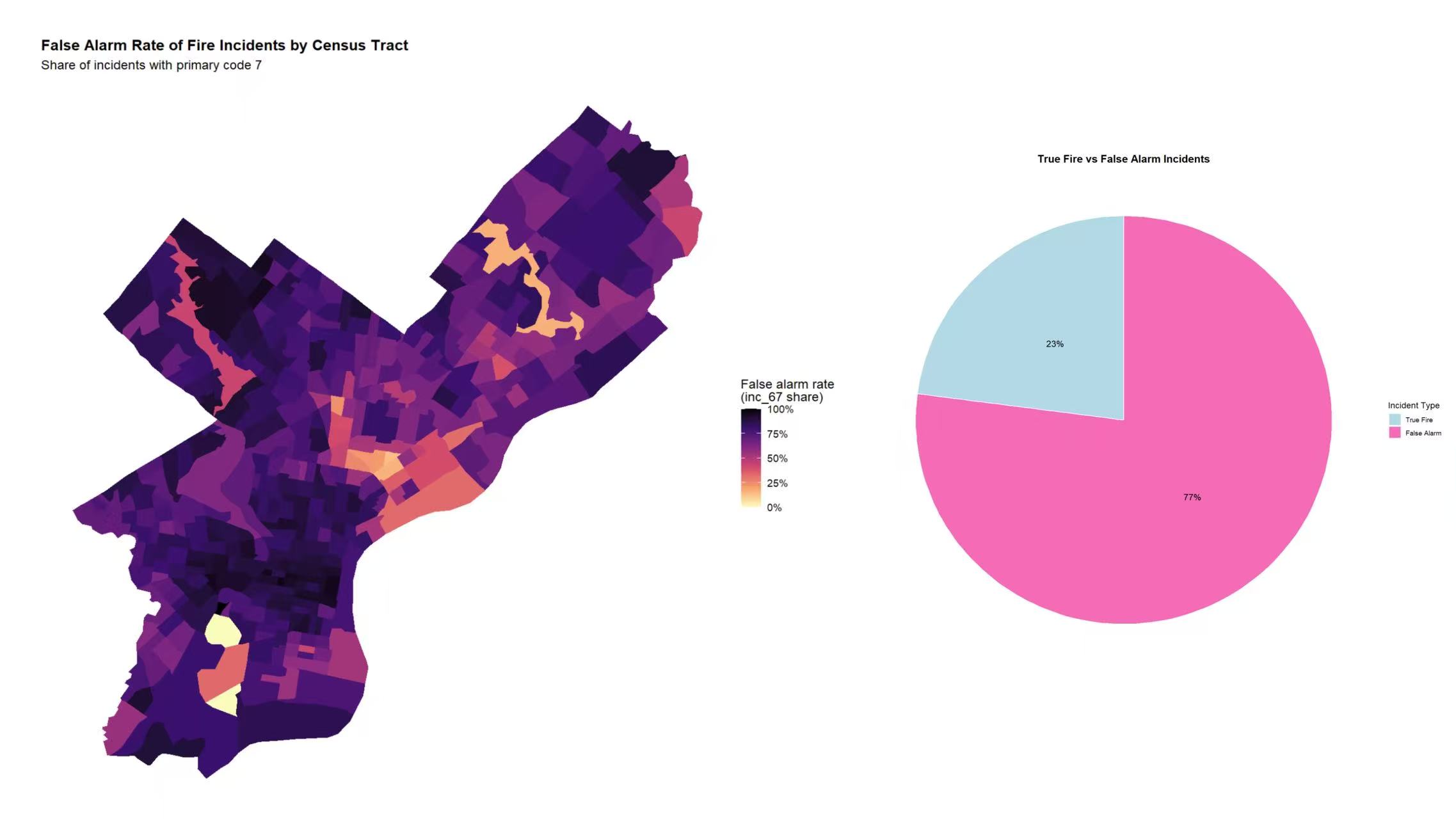
False Alarm: Scale + Space

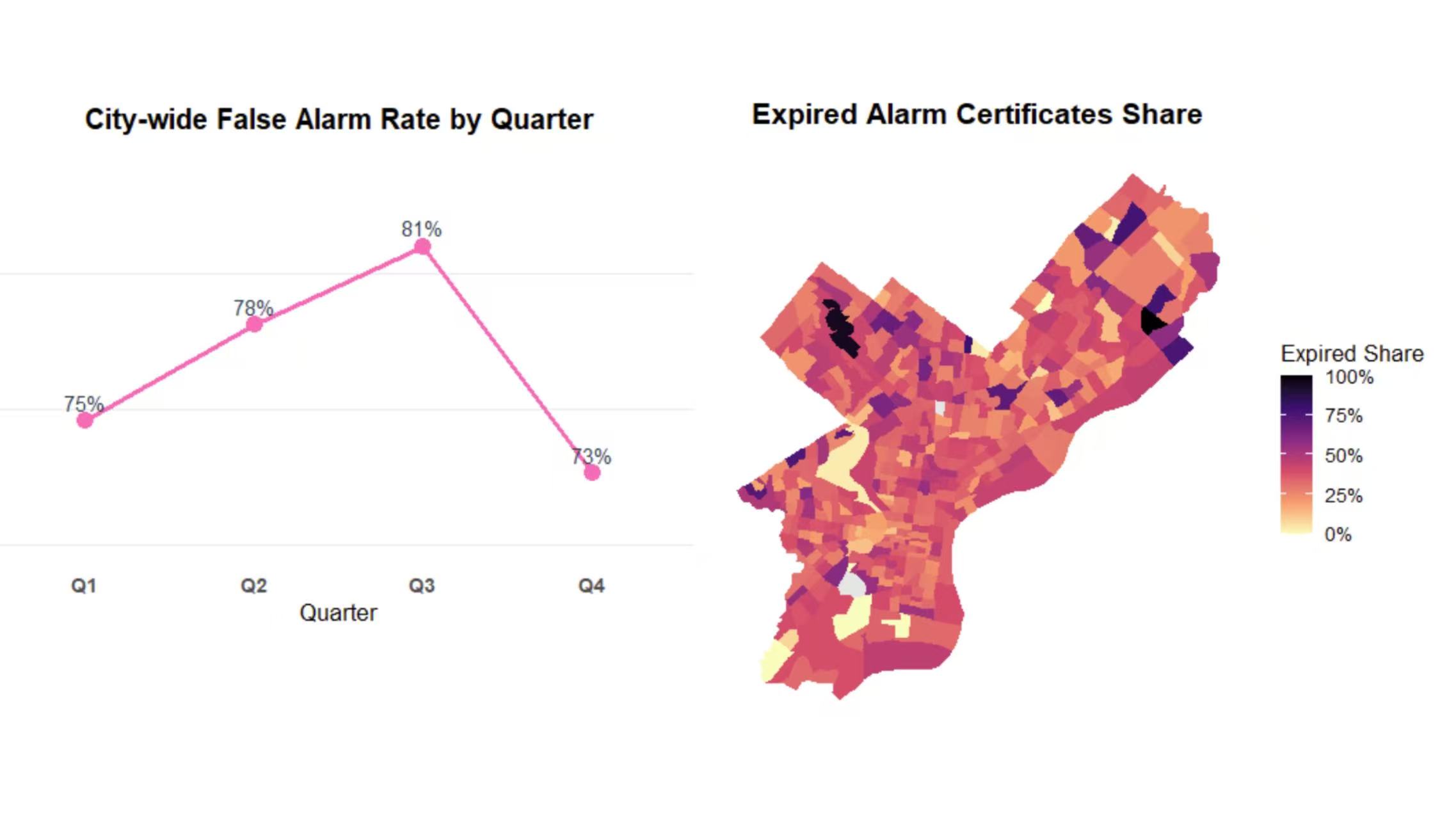
Time + Possible mechanism
Methods Overview

  • Technique: Logistic regression (logit)

  • Why appropriate: interpretable, outputs probabilities, easy to operationalize

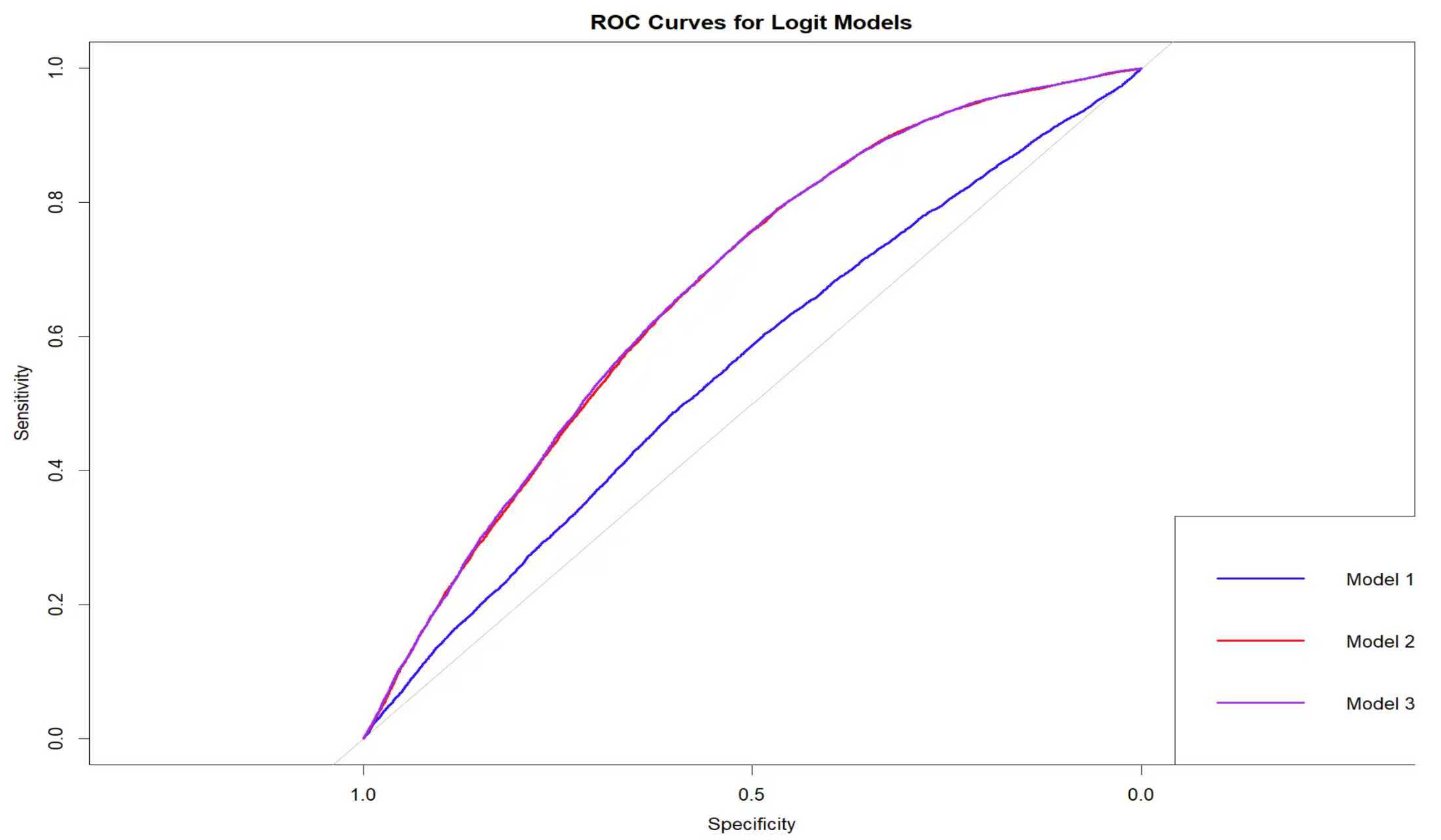
  • Validation: k-fold cross-validation, ROC/AUC

  • Threshold choice: balances false positives vs false negatives

Results & Performance

Model Feature set (summary) AUC
Logit Model 1 Baseline (operational / weather) 0.554
Logit Model 2 + Neighborhood context (ACS tract) 0.670
Logit Model 3 Full model (+ built env / certificates / proximity) 0.672

Operating Threshold & Risk Tiers

Model 3 (predicting 1 = false alarm):

  • Conservative threshold = 0.9:
    Sensitivity = 0.08, Specificity = 0.96 (FP = 493, FN = 42,024)
  • Aggressive threshold = 0.4:
    Sensitivity = 1.00, Specificity = 0.00 (FP = 13,571, FN = 23)

Important: The model is for prevention and planning — not to delay or deny emergency response.

Recommendations

  • Operational: Tiered response package
    • Smaller crew + fewer apparatus for likely false alarms
    • Bring education materials + basic inspection tools
  • Long-term:
    • Strengthen compliance
    • Community education

Limitations & Next Steps

  • Limitations
    • Data
    • Model
    • Bias & harm risk
  • Future Possibilities

Questions?

Thank You!

Contact: isabli@upenn.edu · GitHub: [https://github.com/Isabelliiii]

Contact: yusihan@upenn.edu · GitHub: [https://github.com/sihan-yu429]

Contact: lu25@upenn.edu · GitHub: [https://github.com/lluluciano0505]

Contact: cao4@upenn.edu · GitHub: [https://github.com/bananafish9107]